


-

Add: HeBei ShengShi HongBang Cellulose Technology CO.,LTD.
-

Email
13180486930@163.com -

CONTACT US
+86 13180486930
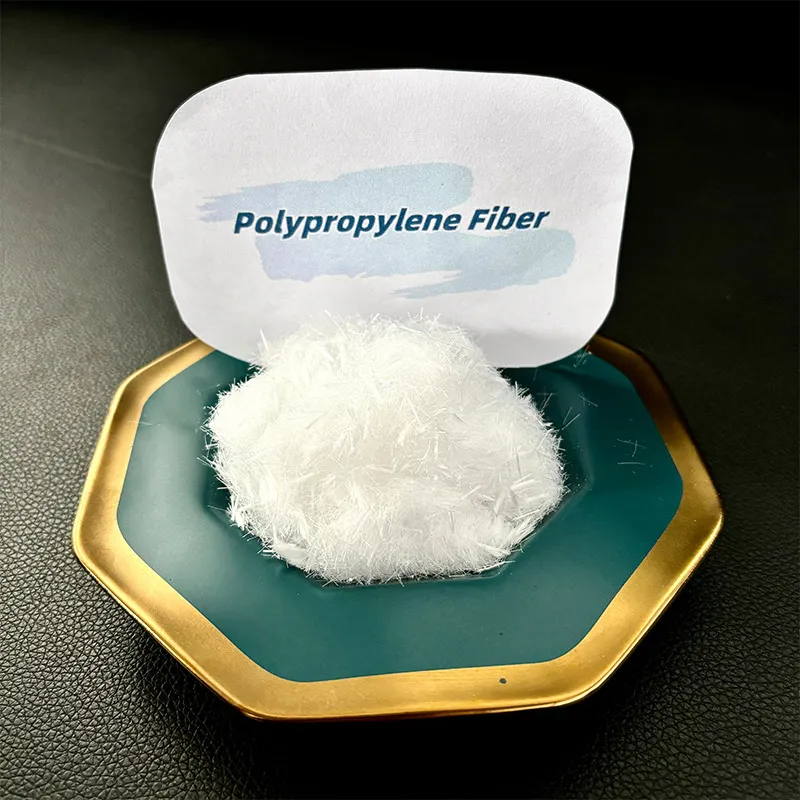
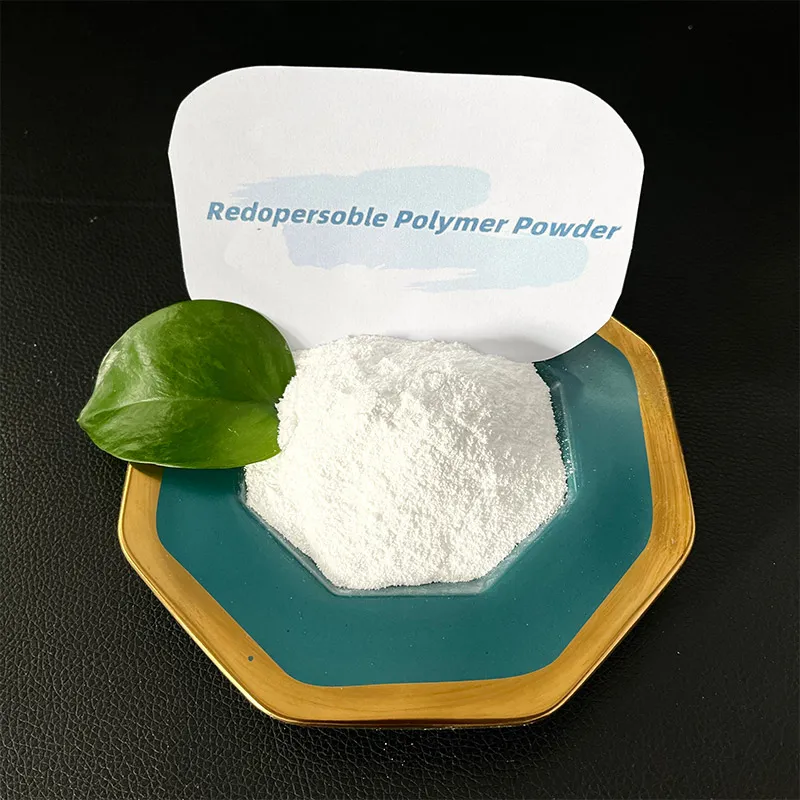
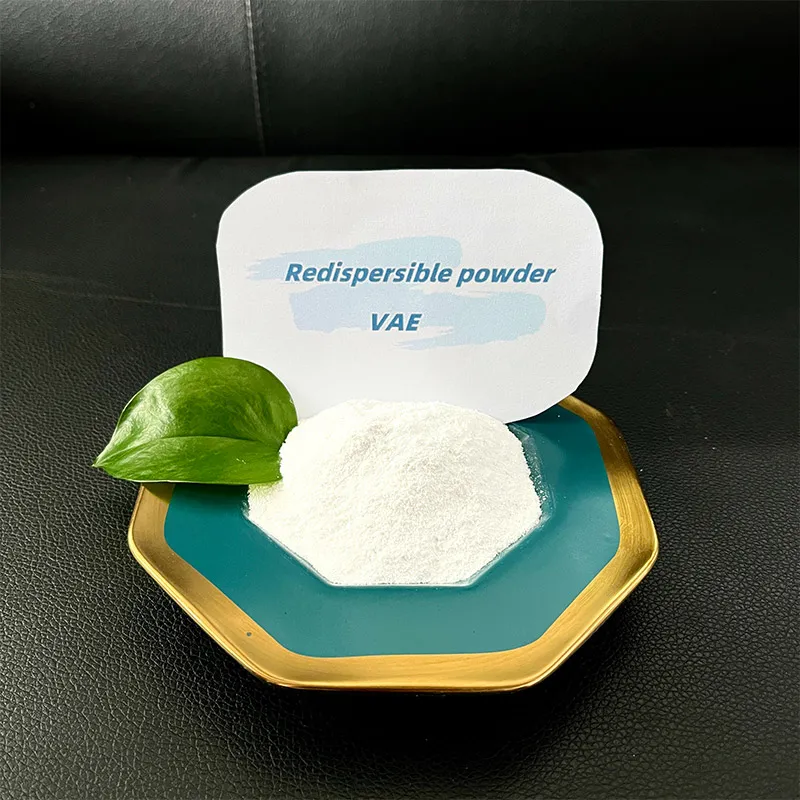


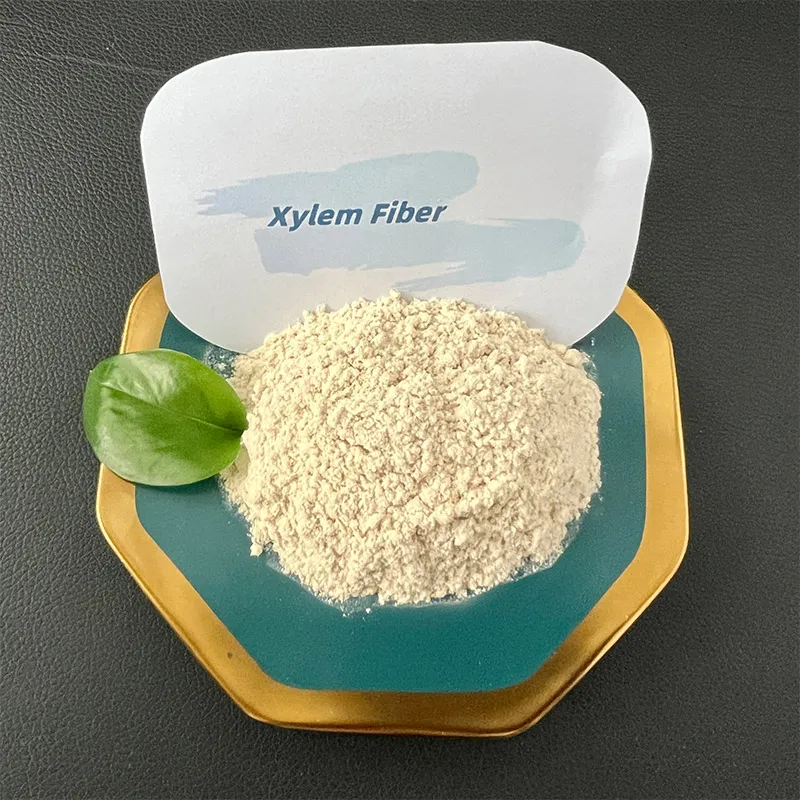
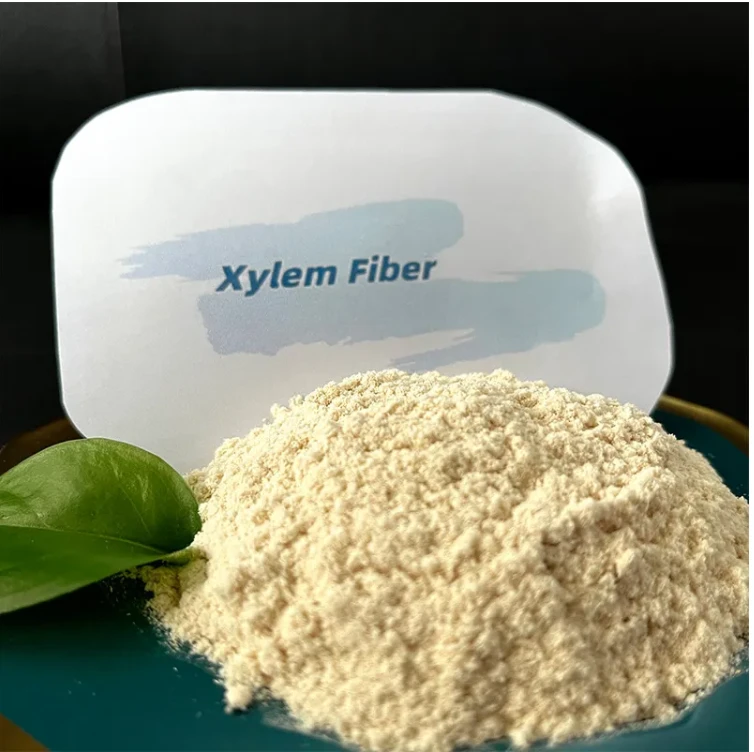
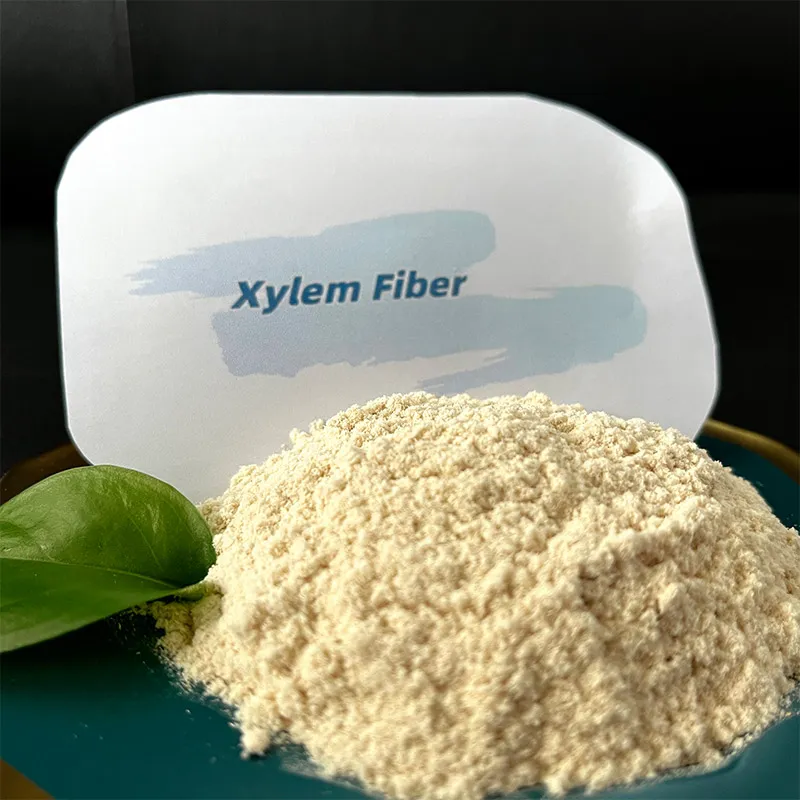
Xylem fiber , a naturally occurring, renewable material sourced from wood, has emerged as a cornerstone in the global shift toward sustainable manufacturing. Derived from the fibrous tissues of trees, this organic flocculent material undergoes advanced chemical and mechanical treatments to enhance its properties for industrial applications. As industries increasingly prioritize environmental responsibility, wood cellulose and cellulose wood fibers like xylem fiber are redefining traditional practices in construction, road infrastructure, and beyond. This article explores the unique features, technical specifications, and real-world applications of xylem fiber, while highlighting the role of HeBei ShengShi HongBang Cellulose Technology CO.,LTD. , the company behind this innovative solution. Core Features of Xylem Fiber Xylem fiber is distinguished by its fibre made from wood pulp composition, which combines natural strength with biodegradability. The material is processed through cellulose extraction from wood techniques, resulting in a product that balances durability and environmental compatibility. Key features include: Eco-Friendly Composition: Xylem fiber is entirely biodegradable, reducing reliance on synthetic materials and minimizing landfill waste. High Strength-to-Weight Ratio: The fiber’s structural integrity enhances the performance of composite materials without adding excessive weight. Moisture Absorption: Its absorbent properties make it ideal for applications requiring liquid retention, such as wood cellulose sponges. Thermal Stability: Xylem fiber maintains its properties under varying temperature conditions, ensuring reliability in diverse environments. Advantages in Industrial Applications The versatility of cellulose wood fibers has led to their adoption in multiple sectors. Below are key advantages and use cases: Construction Sector Xylem fiber is a game-changer in concrete and gypsum production. By incorporating xylem fiber into concrete mixes, engineers can improve compressive strength and durability while reducing the need for traditional aggregates like sand and gravel. According to the National Institute of Standards and Technology (NIST) , sustainable materials like xylem fiber are critical for reducing the carbon footprint of construction projects. Similarly, in gypsum products, xylem fiber enhances workability and structural integrity, making it a preferred choice for drywall and insulation panels. Asphalt Industry In road construction, xylem fiber acts as a reinforcing agent , improving the resilience of asphalt. This application extends the lifespan of roads and reduces maintenance costs. The material’s ability to absorb stress and distribute load evenly makes it an ideal solution for high-traffic areas. Medium Density Fiberboard (MDF) Xylem fiber is a primary ingredient in MDF production, where it contributes to the material’s sturdiness and smooth finish. This makes it a popular choice for furniture and interior design, offering a sustainable alternative to particleboard. Household and Industrial Products The fiber’s absorbent nature is leveraged in the manufacturing of wood pulp sponges , which are biodegradable and safe for household use. Additionally, its cellulose extraction from wood properties make it suitable for packaging materials, reducing plastic dependency. Technical Specifications Table Parameter Specification Material Source Wood pulp (Xylem tissue) Cellulose Content 70-85% (varies by processing) Moisture Absorption Up to 150% of its weight Thermal Stability Resists degradation up to 200°C Biodegradability Completely biodegradable in 6-12 months Application Concrete, asphalt, MDF, sponges, packaging Company Background: HeBei ShengShi HongBang Cellulose Technology CO.,LTD. As a leader in sustainable material innovation, HeBei ShengShi HongBang Cellulose Technology CO.,LTD. has dedicated itself to advancing the use of wood cellulose and cellulose wood fibers . The company’s commitment to eco-friendly practices is reflected in its state-of-the-art processing facilities, which ensure minimal environmental impact during cellulose extraction from wood . With a focus on research and development, HeBei ShengShi HongBang has partnered with industry experts to optimize xylem fiber’s performance for global markets. The company’s products are exported to over 30 countries, with a strong presence in Asia, Europe, and North America. By aligning with international sustainability standards, HeBei ShengShi HongBang has positioned itself as a trusted supplier of renewable resources. Its transparent supply chain and adherence to quality control protocols further reinforce its reputation in the industry. Environmental and Economic Impact The adoption of xylem fiber contributes to responsible forestry practices , as the material is sourced from sustainably managed forests. According to NIST, the integration of renewable resources like xylem fiber can reduce greenhouse gas emissions by up to 40% compared to conventional materials. This aligns with global efforts to combat climate change and promote circular economies. From an economic standpoint, xylem fiber offers cost-effective solutions for manufacturers. Its ability to replace expensive synthetic additives while maintaining product quality makes it a viable option for businesses seeking to reduce costs without compromising performance. Additionally, the material’s biodegradability reduces waste management expenses, further enhancing its appeal. Future Prospects and Innovations As industries continue to prioritize sustainability, the potential of xylem fiber is expected to expand. Researchers are exploring advanced applications, such as biodegradable plastics and composite materials for aerospace and automotive sectors. HeBei ShengShi HongBang is actively involved in these developments, investing in R&D to unlock new possibilities for cellulose wood fibers . The company also emphasizes eco-friendly packaging solutions, which are gaining traction in response to growing consumer demand for sustainable products. By leveraging xylem fiber’s unique properties, HeBei ShengShi HongBang is poised to lead the next wave of innovation in green technology. Conclusion Xylem fiber represents a paradigm shift in material science, offering a sustainable alternative to traditional resources. Its multifunctional properties, combined with the expertise of HeBei ShengShi HongBang Cellulose Technology CO.,LTD. , make it a vital component in the transition toward eco-conscious manufacturing. As industries embrace renewable materials, xylem fiber will continue to play a pivotal role in shaping a greener future.
- 40000tons

Production
- 20+years

Experience
- 5000+㎡

Acreage

-
El Hormigón Armado con Polifibras Innovación y Ventajas en la Construcción Moderna El hormigón armado ha revolucionado el sector de la construcción desde su introducción, proporcionando estructuras más resistentes y duraderas. Sin embargo, con el tiempo, la búsqueda de materiales que potencien aún más las características del hormigón ha llevado al desarrollo del hormigón armado con polifibras. Este innovador enfoque combina las propiedades del hormigón con la añadidura de fibras, lo que se traduce en múltiples ventajas para diferentes aplicaciones en la construcción. Las polifibras, que pueden ser de diferentes materiales como polipropileno, acero o vidrio, son elementos que se incorporan al hormigón en forma de filamentos finos. Su inclusión en la mezcla no sólo mejora el comportamiento mecánico del material, sino que además aporta beneficios significativos en términos de durabilidad y resistencia a la fatiga. Esto es especialmente relevante en estructuras sometidas a condiciones extremas, tales como las que se encuentran en regiones sísmicamente activas o en ambientes industriales agresivos. El Hormigón Armado con Polifibras Innovación y Ventajas en la Construcción Moderna Además de su resistencia a las fisuras, el hormigón con polifibras presenta una mejora notable en su durabilidad. Las fibras actúan como un refuerzo adicional, permitiendo que el hormigón se adapte mejor a los cambios ambientales. Por ejemplo, en entornos donde el hormigón puede estar expuesto a ciclos de congelación y descongelación, la adición de polifibras puede prevenir el daño estructural que comúnmente resulta de estos ciclos. Esto se traduce en una vida útil más larga para las estructuras construidas con este material, lo que es un factor decisivo en proyectos de gran envergadura y costo elevado. béton armé de polyfibres El uso de hormigón armado con polifibras también se asocia con una mayor eficiencia en el proceso constructivo. Al reducir la necesidad de control constante de fisuras y garantizar una mejor cohesión del material, los tiempos de construcción pueden disminuir. Esto no solo favorece la planificación de proyectos, sino que también reduce los costos operativos, permitiendo un uso más eficiente de los recursos. Otro aspecto a considerar es el impacto ambiental del uso de hormigón armado con polifibras. A medida que las industrias buscan opciones más sostenibles, la utilización de fibras recicladas en la producción del hormigón ofrece una alternativa ecológica. Este tipo de hormigón no solo optimiza el rendimiento de las estructuras, sino que también contribuye a la reducción de residuos, alineándose con los objetivos de desarrollo sostenible. En la práctica, el hormigón armado con polifibras se ha utilizado en una variedad de aplicaciones, desde pavimentos y elementos prefabricados hasta estructuras más complejas como puentes y edificios de gran altura. Su versatilidad y superioridad técnica en comparación con el hormigón tradicional lo han posicionado como una opción preferente en proyectos innovadores. En conclusión, el hormigón armado con polifibras representa un avance significativo en la construcción moderna. Al combinar robustez, durabilidad y eficiencia, este material no solo responde a las exigencias contemporáneas del sector, sino que también plantea un futuro más sostenible para la infraestructura. La adopción de estas tecnologías en diferentes obras es, sin duda, una inversión en la calidad y longevidad de las construcciones, un factor esencial en la planificación urbana y el desarrollo de comunidades más resistentes y eficientes.
-
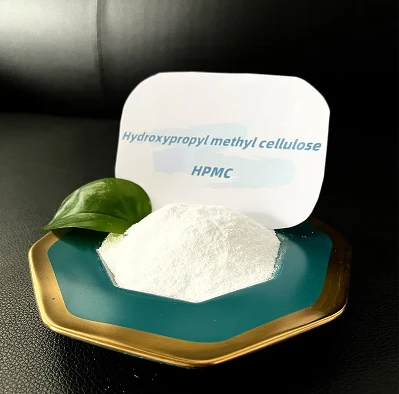
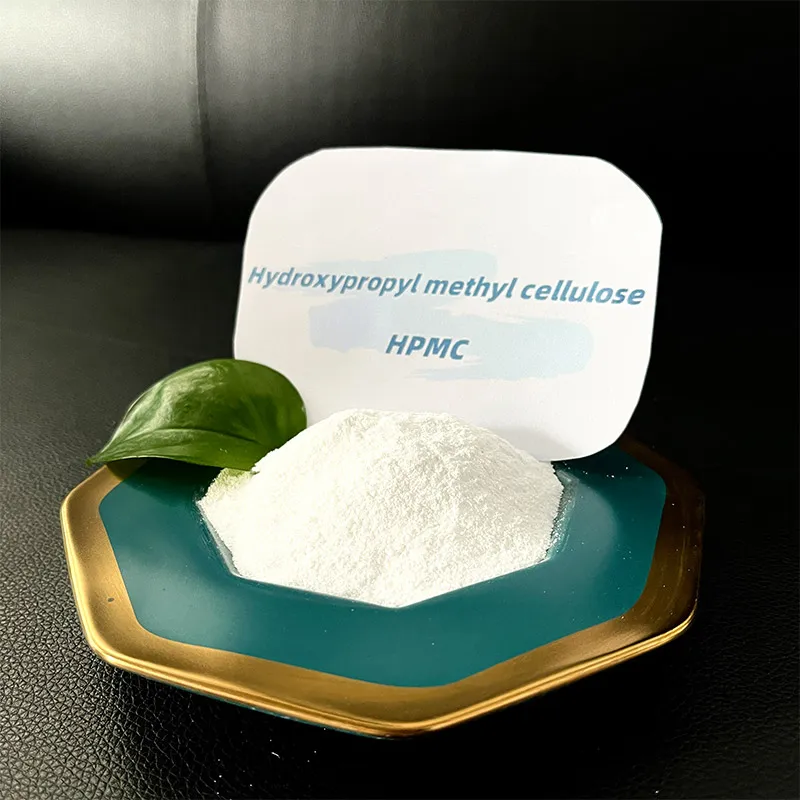
Hydroxypropyl methylcellulose, commonly abbreviated as HPMC, is a pivotal compound in various industries due to its multifaceted properties. Specifically, the variant HPMC K100 has become a critical ingredient in sectors like pharmaceuticals, construction, food, and cosmetics. As a seasoned SEO expert, providing insights into HPMC K100 aims to enhance understanding and offer readers a comprehensive analysis rooted in experience, expertise, authoritativeness, and trustworthiness. HPMC K100, distinguished mainly by its high viscosity and thickening capabilities, plays a monumental role in the pharmaceutical industry. Its use as an excipient is fundamental for producing controlled-release formulations. With years of experience in pharmaceutical product optimization, professionals recognize that HPMC K100’s uniformity and consistency contribute significantly to the stability and bioavailability of the active ingredients in medications. Clinical studies support this, highlighting how its gel-forming properties are crucial in prolonging drug release and improving patient compliance. In construction, HPMC K100 is indispensable for its adhesive and water-retentive characteristics. Construction experts acknowledge its value in enhancing the workability and performance of cement-based materials, such as tile adhesives, plasters, and mortars. Its ability to retain water ensures optimal hydration of cement particles, thereby improving the overall strength and durability of the structures. Seasoned builders and construction specialists emphasize that using HPMC K100 in cementitious applications results in smoother finishes and reduced cracking, showcasing its indispensable role in modern construction projects. The food industry benefits from HPMC K100's versatility as a dietary fiber and a stabilizer in a wide range of products. Nutritionists and food scientists trust its efficacy in improving the texture of gluten-free products, enhancing mouthfeel, and maintaining moisture. This results in a superior and longer-lasting product . Moreover, HPMC K100's function as a low-calorie fat substitute in processed foods addresses consumer demands for healthier alternatives without compromising taste or texture. Ongoing research and development in the food sector continue to demonstrate its potential in new applications, reaffirming its authority and reliability as a food additive. hpmc k100 In the realm of beauty and personal care, HPMC K100 is lauded for its ability to effectively improve the viscosity and stability of formulations such as creams, lotions, and shampoos. Cosmetic chemists and dermatologists have consistently relied on HPMC K100's innovation to deliver products that meet the highest standards of quality and safety. Its non-toxic and skin-friendly properties make it an ingredient of choice, enhancing product efficacy while ensuring consumer safety. The innovative applications of HPMC K100 across these diverse industries underline its significance and authority as a multipurpose compound. Its well-documented benefits and reliability across various professional use cases highlight its credibility. Trust is built not only through its proven technical merits but also by adhering to stringent quality and safety standards in manufacturing processes. A robust understanding of HPMC K100 is essential for professionals seeking to innovate and optimize product formulations effectively. Leveraging its unique properties can lead to pioneering solutions that cater to evolving consumer needs and industry demands. As industries continue to develop and refine applications for HPMC K100, maintaining an authoritative and informed perspective is crucial for staying competitive and meeting the complex challenges of today's market landscape.
advantages
-

200000 Viscosities
Excellent product
We can produce pure products up to 200,000 viscosities
-

40000 tons
High yield
We don’t stop production all year round, and the annual output can reach 40,000 tons
-

24 hours
Quality service
We provide 24-hours online reception service, welcome to consult at any time
———— Inquiry Form
Schedule A services

-
 hydroxy_propyl_methyl
Oct . 25, 2025
Hydroxypropyl methylcellulose (HPMC) is an intriguing compound that has carved its niche in the prod -
 hpmc_e15_uses
Oct . 25, 2025
The Advantages of Glass Fiber Reinforced Polypropylene In recent years, the demand for advanced mate -
 wood_fiber_insulation_vs_cellulose
Oct . 25, 2025
HPMC dextran has garnered considerable attention in the field of pharmaceuticals and biomedical appl


